Why Smart Rings Are Becoming a Popular Alternative to Smartwatches
Discover why smart rings are gaining attention as wearable alternatives to smartwatches, including their minimalist design, daily comfort, and health tracking potential.
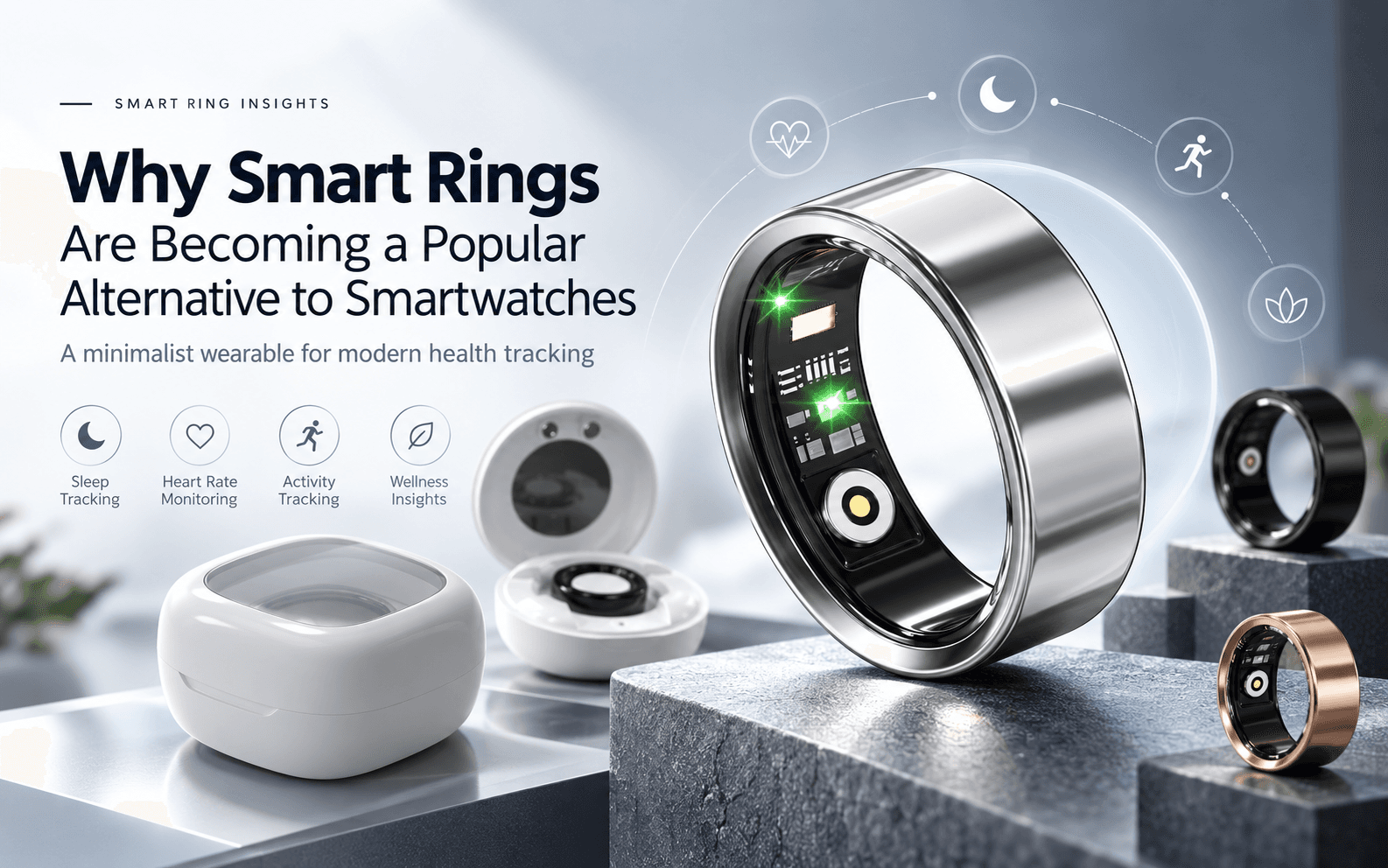
Wearable technology has become part of everyday life. From monitoring daily activity to reviewing sleep patterns, consumers increasingly look for convenient ways to understand their routines and make more informed lifestyle decisions.
Smartwatches have played a major role in this development. However, not every consumer wants another screen on their wrist. Smart rings are attracting attention as a more discreet alternative, combining a familiar accessory format with connected digital features.
What makes smart rings appealing, and how do they compare with traditional smartwatches?
1. A More Minimalist Approach to Wearable Technology
One of the most recognizable characteristics of a smart ring is its compact, screenless design.
Unlike smartwatches, which generally rely on a display for notifications, applications, and interactive controls, smart rings typically present their information through a companion smartphone application.
This creates a different user experience. Instead of frequently checking a screen, users can review supported health and activity data when they choose to open the app.
For people who prefer understated accessories or want to reduce the number of screens they interact with throughout the day, this approach may be particularly attractive.
2. Designed for Everyday Wear
Wearable devices need to fit naturally into daily routines. A device that feels inconvenient may be used less frequently, regardless of how many features it offers.
Smart rings are designed around the finger rather than the wrist, creating an alternative wearing experience.
Their compact form may appeal to users who prefer a lightweight-looking accessory, want to wear a traditional watch separately, or simply favor a less noticeable wearable.
However, comfort depends on ring size, internal construction, material, and individual preferences. Proper sizing is essential, especially when a ring is intended for extended daily use.
3. Health and Activity Data in One Place
Depending on the model, a smart ring may support features such as heart rate monitoring, sleep tracking, activity tracking, or other wellness-related measurements.
A companion app can organize supported measurements into charts, summaries, and historical trends. This allows users to observe patterns over time rather than relying on individual readings.
For example, sleep records may help users compare their sleep schedules across several nights. Activity data may provide a convenient overview of movement throughout the day.
Available features vary significantly between products. Buyers should check the actual specifications, measurement methods, supported app functions, and data limitations before selecting a device.
Smart ring measurements should not automatically be treated as medical results or substitutes for professional evaluation.
4. Smart Rings and Smartwatches Serve Different Needs
Neither device is universally better. Their strengths depend on how people prefer to interact with technology.
Smartwatches generally provide a larger display, more direct interaction, and broader notification or application capabilities.
Smart rings prioritize a compact form factor and typically rely on a smartphone for detailed information.
Consumers who value on-device interaction may prefer a smartwatch. Those who prioritize discreet wear and a screenless experience may find a smart ring more suitable.
The right choice depends on daily habits, desired features, comfort, battery requirements, and budget.
5. What Should Buyers Consider Before Choosing a Smart Ring?
Before purchasing a smart ring, consider five factors:
These details can have a greater impact on the ownership experience than a long feature list alone.
6. What This Means for the Wearable Technology Market
Smart rings demonstrate how wearable technology can evolve beyond the traditional smartwatch format.
As consumers explore different ways to interact with digital health and lifestyle information, compact devices offer another approach to product design and user experience.
For wearable brands, the category also presents opportunities to address specific audiences through differentiated design, app experiences, materials, and supported functions.
The key is to develop a clear product proposition rather than simply adding more features.
Smart rings are gaining attention because they offer a different balance between personal technology and everyday accessories. Their screenless design, compact form, and potential for health and activity tracking make them worth considering alongside smartwatches.
Before choosing a device, consumers should evaluate comfort, verified functions, app experience, and overall suitability for their routines.
For brands exploring wearable technology, understanding these preferences is an important starting point for developing products that fit real user needs.
Explore our smart ring product range to learn more about available designs and features.