Why Women’s Health Features Are Becoming More Important in Wearables
Explore why menstrual cycle tracking and personalized wellness features are becoming increasingly common in wearable technology.
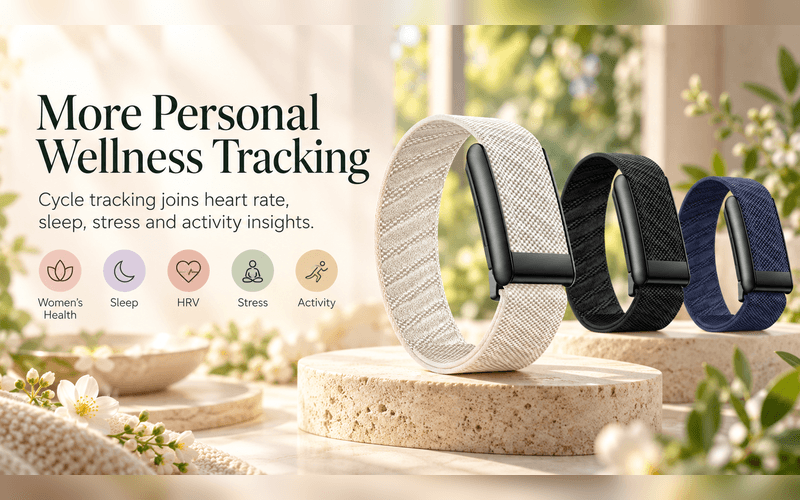
Wearable technology is becoming increasingly personal.
Early fitness devices often provided the same basic information to every user.
Today, manufacturers are developing features that reflect different health interests, routines and demographics.
Women's health tracking is one example.
Menstrual Cycle Tracking
Menstrual tracking features allow users to record and review cycle-related information through connected wearable applications.
These functions are designed for general wellness and lifestyle awareness rather than medical diagnosis.
However, they can make a fitness platform more relevant to everyday routines.
From Generic Tracking to Personalized Wellness
This development reflects a wider shift in wearable technology.
Consumers increasingly expect products to provide information that feels relevant to their individual needs.
This can include:
Products that combine these different areas can provide a more complete everyday wellness experience.
What This Means for Brands
For brands developing wearable collections, personalization can become another source of differentiation.
Instead of positioning the product only as a sports tracker, brands can consider broader wellness use cases.
As wearable technology continues to evolve, the industry is likely to move from generic data collection toward more contextual and personalized experiences.